
Bench Warrants in Childress County
“Bench warrant” is common shorthand for court process following a missed appearance or unmet requirement. The exact docket label can instead be an arrest warrant, capias, alias capias, FTA process, or capias pro fine. Childress Municipal Court’s public page says warrants will be issued for failure to appear; that is a policy warning, not proof that a particular citation has a current warrant.
The JP, Municipal Court, County Court, and 100th Judicial District Court each hold their own matters. A missed date or unpaid fine should be checked against the specific court order and current record.
Childress County Bench Warrants Start With the Citation Court
For a countywide JP traffic or Class C matter, use the Justice of the Peace at 100 Avenue E NW #6 or its case-number workflow. A City of Childress citation belongs with Municipal Court at 315 Commerce Street. County Court and 100th District Court settings route to the matching clerk side. The number on the notice helps the court locate the right docket.
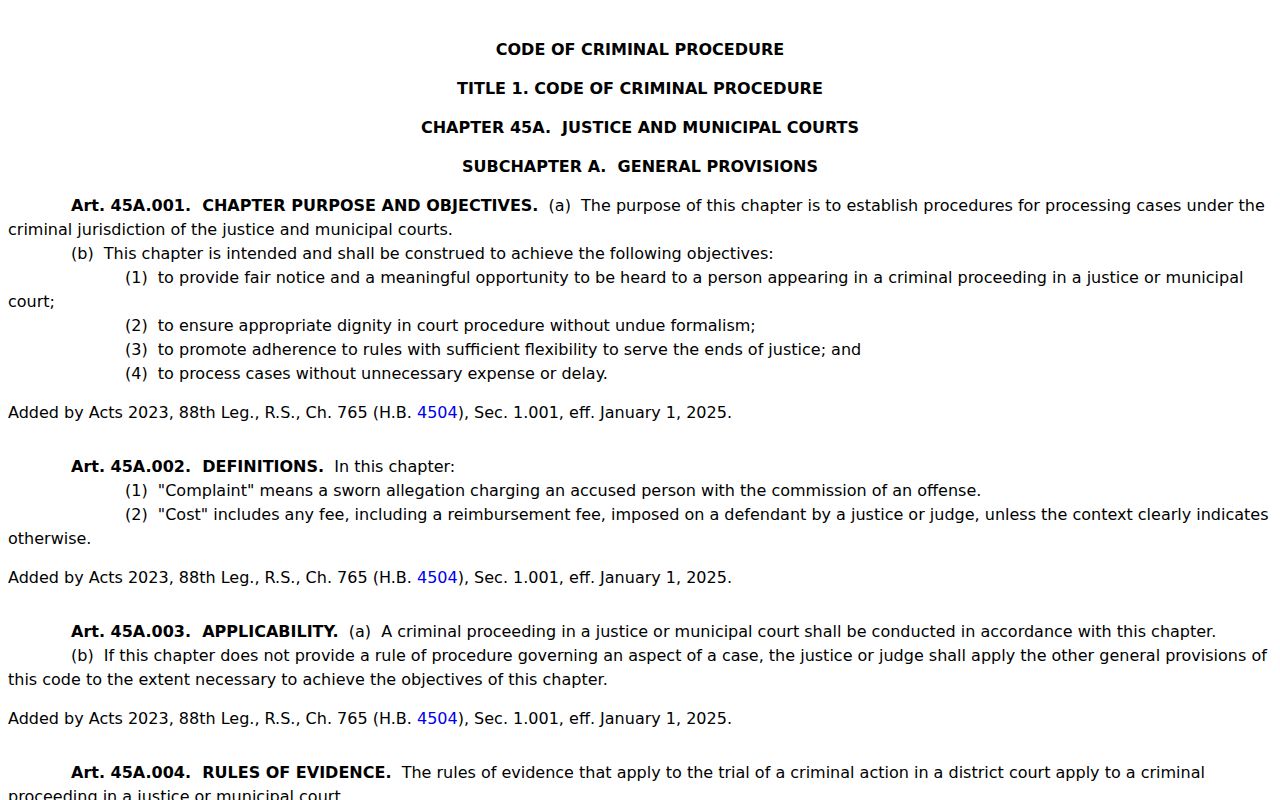
The Texas Chapter 45A provisions govern current justice and municipal court procedure. The JP portal is not a warrant list, and the City has no public roster in the sources reviewed. Call the issuing court before travel to learn whether an appearance or attorney setting is required.
Use court-specific instructions rather than a generic countywide walk-in rule.
How a Childress County Bench Warrant Is Issued
The court’s process depends on the case and applicable law. A judge or magistrate may issue process after the required notice and missed obligation; an officer may then execute it within authority. Texas Chapter 45A governs important justice and municipal procedures. The research did not find a Childress-wide grace period, mailed warning rule, or single issuance schedule. Do not assume every missed setting produces the same result.
The court controls whether to recall, quash, reset, or otherwise resolve its process. The Sheriff, constable, or police can serve process but cannot decide the underlying court setting.
Childress County Bench Warrant and DPS FTA Records Are Separate
The county’s 2024 interlocal agreement with DPS describes Failure to Appear reporting for license-renewal consequences and says a criminal warrant need not be issued for the report. That administrative record is not the same as a court’s arrest process. A DPS hold may point to a reporting court, but only that court can confirm the case and any warrant status.
OmniBase is a license-hold contact, not a warrant search or recall authority.
Bench Warrant vs Arrest Warrant
A bench process usually follows an existing missed court obligation; an arrest warrant rests on the required legal basis in a criminal matter. The labels and procedures differ, although both may authorize arrest. See arrest warrants for the issuance and service route.
| Feature | Bench Warrant | Arrest Warrant |
|---|---|---|
| Trigger | Missed appearance or court requirement | Probable cause in a criminal matter |
| Who Issues It | Judge or court with the existing case | Magistrate or court under Chapter 15 |
| Underlying Case | Existing citation or cause | Criminal complaint or charge |
| How It Clears | Issuing court action, appearance, or order | Court-directed process, bond, or later order |
Childress County Capias Pro Fine Differs From a Bench Warrant
A capias pro fine is linked to enforcement of a fine or judgment in an applicable court. It is not a catchall term for every arrest warrant, bench warrant, or felony capias. Texas Chapter 45A sets justice and municipal procedures, including notice and hearing safeguards. Ask the court for the precise label and underlying judgment before choosing a resolution route.
Chapter 23’s felony capias process is separate. A number or status from one court should not be applied to another case.
How to Resolve a Childress County Bench Warrant
There is no published Childress recall button, bond window, universal payment path, or walk-in surrender instruction. Ask the issuing court what the case requires before paying or traveling. The available step may be an appearance, payment plan, deferred disposition, bond, motion to recall or quash, or a hearing, but no one option is guaranteed locally.
- Confirm the exact process label, case number, and issuing court.
- Ask whether personal appearance is required and whether an attorney may arrange a setting.
- Discuss a motion, hearing, payment, plan, bond, or reset with counsel and the court.
- Keep the order or receipt and ask when the court updates its record and any DPS report.
Caution: Do not assume a missed setting disappears after payment; confirm the court’s current process and obtain written proof of any recall or reset.
What a Childress County Bench Warrant Record Confirms
Keep a signed recall or quash order, updated docket entry, written reset, official receipt, or other proof the court identifies. A payment receipt may not resolve a separate FTA report or related process. Ask whether the court has notified DPS and when to check the license-hold route again. Save private documents securely rather than posting them publicly.
If a status remains unclear, return to the office that owns the docket, not only the agency that served the process.
Which Childress County Court Issued the Bench Warrant
A process is tied to the court that set the underlying case. The Justice of the Peace handles its own citations and lower-court matters; Childress Municipal Court handles city ordinance and Class C cases; County Court and the 100th Judicial District Court have separate case levels. The combined clerk office can route a County or District record when the paperwork is unclear.
The Sheriff may hold an execution or return record, but not the court’s authority to recall. Start with the court name and number on the notice, then use a court-by-court warrant search if the file’s location is uncertain.