
Arrest Warrants in Childress County
An arrest warrant is court process. It lets an officer arrest the person it names, on its own terms. Texas Chapter 15 sets the general rules, and a magistrate weighs the legal basis before signing. A complaint or affidavit can back the request. Which court issues the paper depends on the matter, so living in Childress County alone does not tell you which office holds the warrant record.
Childress County Arrest Warrants Follow the Case Level
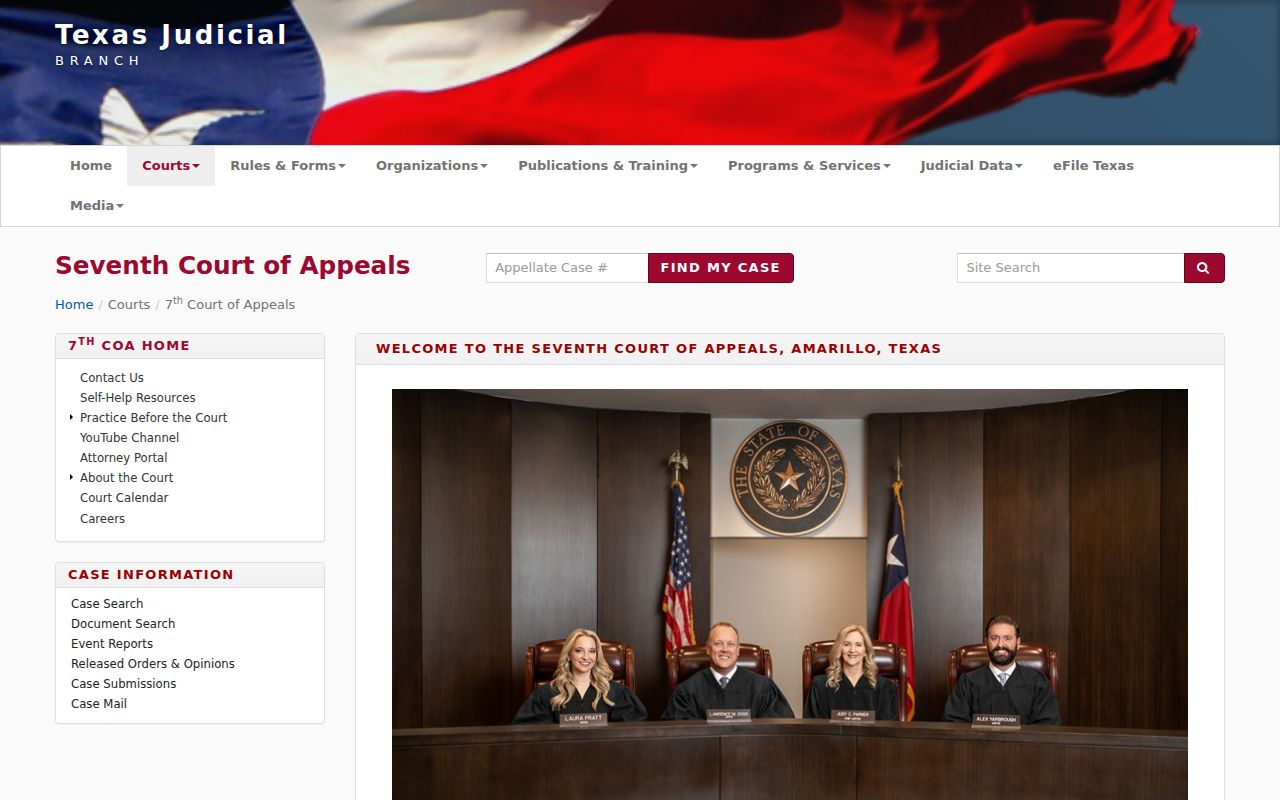
Where a Childress County case is filed decides which office holds its warrant. A felony usually routes to the 100th Judicial District Court and its District Clerk. The clerk is a combined office. County Court misdemeanors sit on its county-court side, while a Class C or traffic case may belong to the JP court or Childress Municipal Court. A felony indictment can also yield a capias under a different chapter. These routes are not interchangeable. Use the court title and cause number on your paperwork. The Seventh Court of Appeals lists Childress among its counties, but that appellate court is no trial-court record desk for a Childress County warrant check.
Unsure of the case level, ask the Childress County combined clerk office to route the file before you request copies.
What a Childress County Arrest Warrant Contains
No public sample of a Childress County warrant exists for viewing. A neutral copy may carry identifying case fields. Access and redaction hinge on the record and its stage. Do not borrow a number format or bond amount from another county's form; ask the clerk which fields are public in the exact file.
| Cause / process number | Use the official case number; no Childress warrant format was published. |
|---|---|
| Process type | Arrest warrant, capias, alias capias, or the court’s exact label. |
| Charge / offense | Underlying matter, subject to permitted redactions. |
| Issuing judge / court | Shows the venue responsible for the process. |
| Bond / release term | Include only if public and current; no universal local schedule was found. |
| Issue / return date | Distinguish issuance from later service or recall. |
An Executed Childress County Warrant Has an Access Rule
Code of Criminal Procedure Article 15.26 governs public access to an executed arrest warrant and its supporting affidavit in a Childress County case. The rule stops at executed process. Juvenile, sealed, and active-investigation material can stay closed. A search-warrant affidavit is different: Article 15.26 does not reach it, because Chapter 18 rules apply instead. Bring the clerk your cause number and ask which rule covers the document you need.
Access turns on the document and the process, so ask the Childress County clerk for the warrant, affidavit, or return by name.
How Arrest Warrants Are Served
Three local agencies appear in official sources here. They are the Childress County Sheriff's Office, Constable Pct. 1, and the Childress Police Department. No agency claims every warrant. None publishes a full allocation of which office serves which type of process, so say only that authorized officers act under the court's warrant and their own jurisdiction. An arrest in Childress County can lead to booking, magistrate proceedings, and a bail or release decision. That pace is not standardized. Childress County sources post no universal booking timeline, bond window, payment type, or after-hours procedure. Ask the issuing court or counsel.
Childress County Warrant Service Does Not Give Recall Authority
The Sheriff page posts a general non-emergency contact and a written-records route. The Constable page names a precinct office. The City PD page lists a city records contact. Any of these agencies may hold an execution or return record on a Childress County warrant. The court that issued it still controls recall, quash, or reset. A records request should name an existing service or return document. Docket questions go to the issuing court or clerk.
Arrest Warrant vs Summons vs Bench Warrant
An arrest warrant authorizes arrest. A summons directs the person to respond or appear. A bench warrant usually follows an earlier Childress County court obligation that went unmet. The issuing instrument and its exact notice control, so see bench warrants for the missed-appearance route.
| Feature | Arrest Warrant | Summons | Bench Warrant |
|---|---|---|---|
| What It Orders | Arrest under the process | Appear or respond as directed | Process after a missed obligation |
| Basis | Required legal basis in a criminal matter | Notice under applicable procedure | Failure to appear or comply |
| Who Issues It | Magistrate or court | Court or authorized officer | Judge or court with the case |
| How to Respond | Ask counsel and court about process | Follow the stated date and terms | Ask the issuing court about recall |
A Childress County Warrant Return Does Not Decide Guilt
"Executed" or "served" marks action on the process. It says nothing about where the case stands. A Childress County docket can later show bond, dismissal, plea, trial, or another disposition. Keep each line separate. Attribute any status label to the court or agency behind it, and date it when possible. If a record looks wrong or incomplete, ask the custodian how to request a correction, and lean on official case paperwork rather than reposting private details.
What to Do If There Is a Warrant for You
Call the issuing court first. Ask whether the Childress County warrant is active, served, recalled, or otherwise resolved, and whether bond or a personal appearance is required. For a serious matter, a licensed Texas attorney can discuss a setting, voluntary surrender, bond, or a motion to recall or quash. No bond schedule is posted. Local sources give no universal surrender counter either. So never assume a payment or a phone call clears the process; confirm every step with the issuing court.
Important: Consult a Texas attorney before appearing on a serious matter; ask the issuing court what procedure and written proof apply.
Federal Warrants in Childress County Use Amarillo
Childress County sits in the Northern District of Texas, Amarillo Division. PACER is the federal docket route. Sealed filings and execution details may not appear there. The U.S. Marshals Northern District and the North Texas Fugitive Task Force handle federal enforcement. Neither one resolves a county JP citation or a City Municipal Court FTA. For a federal process question, use the federal clerk and the official PACER docket. Consider counsel, not a county search.
The federal courthouse publishes current access rules; confirm those before travel.